
Leave Your Message

Blog

How to Choose a Tightened PE Zipper for Packaging?

How to Choose a Tightened PE Zipper for Packaging?

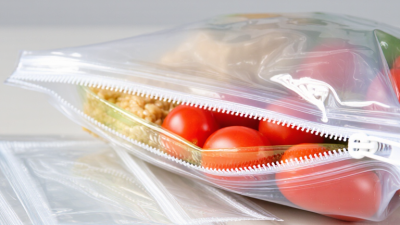
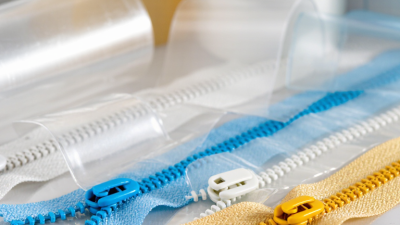
Honestly, choosing a Tightened Pe Zipper should start with the package itself—not the product catalog. A zipper can feel super secure when you're testing it on a sample, but then act completely different once it's on a filled pouch. Film thickness, pouch width, filling speed, sealing temperature... they all play a part. The little details are what catch you. If the profile is even slightly misaligned, opening gets tough. And if the pressure isn't even, the seal might not hold up like it should. Here’s the thing: if you’re going to put an expert quote out there, have a packaging engineer look at the draft first. Something like, “A reliable zipper should close smoothly, stay aligned through filling, and match the pouch film and sealing process.” But don’t attribute it to anyone by name until they’ve approved both the wording and their credentials. That step really matters—an unverified quote can backfire and weaken trust instead of building it. So here's the thing—when you're comparing options, don't just glance at the specs. You need to check the profile dimensions, how much force it takes to close, whether it works with your PE film, and how it holds up after you open and close it a bunch of times. Ask the supplier for samples that actually match your pouch structure, not just something close. Then run them on the equipment you'll actually use, and take a close look at the seal near the zipper ends. Watch for gaps, warped tracks, or any damage to the film. And honestly, a quick hand test won't cut it. Also, think about what it’s like for the person actually using this. Can they press the tracks together without, like, having to fight with it? And does the pouch stay closed during normal handling? Honestly, there’s no one-size-fits-all answer here. A zipper that works great for dry snacks might not cut it for something heavier and moist. So when you test, write down the conditions and talk through any failures with your supplier. Sure, some tests get messy—but that’s exactly the kind of info you need. This guide is about checking a Tightened PE zipper in a practical way, with clear criteria and fewer assumptions.
Read more »
Amelia By:Amelia - November 8, 2026
How to Choose the Right Zipper From 10 Types

How to Choose the Right Zipper From 10 Types

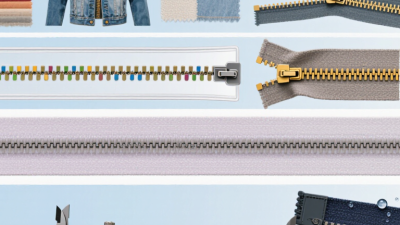
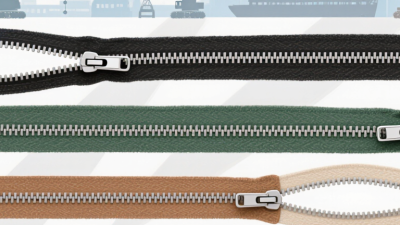
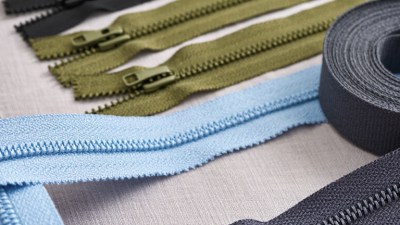
A zipper looks like the simplest thing in the world sitting there on a store shelf. But grab the wrong one and it’ll snag on your jacket or give out right when your bag is stuffed to the brim. So picking well really comes down to matching the zipper’s construction to its job. Coil, metal, molded-plastic, invisible — they all behave differently. Then you’ve got teeth size, tape width, slider design, and how much moisture it’ll face. All those little details can make or break it. Small details. Big consequences, honestly. So there’s a lot of data out there on zippers — Grand View Research, for instance, has this whole report breaking things down by product type and end use, which kind of shows just how everywhere zippers are, from apparel to luggage and a bunch of other stuff. And if you’re trying to get technical about strength, ASTM International’s D2061 test method is a pretty solid reference to check. But honestly, even with all that, it’s not like the right choice just jumps out at you. You still have to kind of figure things out yourself. Honestly, a number on a spec sheet can only tell you so much. It won't tell you how a slider feels when you've got gloves on, or whether a delicate fabric will ripple around its teeth. You've gotta actually use it — real-world use still matters. So, this guide is basically about the ten most common zipper types and the real trade-offs you run into with each one. It’ll show you where each kind tends to work best, what you should check before buying, and which little details are worth a second look. A lightweight coil zipper? Great for a soft travel pouch. A sturdy metal one? Probably a better match for a denim jacket. But there’s no automatic right answer here—it really depends. You need to think about the fabric, how much stress it’ll get, whether you’ll wash it a lot, what weather it’ll face, and how easy it’ll be to repair if it breaks. Honestly, even the most careful buyers can overlook something—it happens. So if the project gives you the chance, test a sample first.
Read more »
Amelia By:Amelia - November 4, 2026
2026 Top Low Temperature PE Zipper Suppliers?

2026 Top Low Temperature PE Zipper Suppliers?

Look, here's the thing about finding a dependable Low Temperature PE Zipper supplier in 2026—it's not just about who's got the cheapest price. You really need to think about how the zipper holds up when it's freezing out. I mean, a slider that glides like butter at room temperature can feel like a rock after it's been sitting in a chilly warehouse for a while. So, yeah, it's a whole different ballgame when the mercury drops. That difference really matters, especially if you're dealing with packaging, outdoor gear, or anything else that faces freezing temps. Honestly, the best supplier for one project might totally miss the mark for another. There are so many variables at play—material grade, tape width, tooth design, slider fit, and the actual conditions the product will be used in. And the small stuff? That's often where things go sideways. So don't just eyeball a zipper sample—test it with your real product. Because looks can seriously deceive you. So, when you're checking out potential suppliers, here's a quick rundown of what to look for and some practical questions to help you compare them. You want clear specs, consistent sample quality, realistic production timelines, and responsive tech support. Ask them about the temperature range they've actually tested—and how they measured those results. Don't just take their word for it; request samples from your actual production setup, and then test things like opening force, closure integrity, and repeated use under the conditions you'll really see. And hey, keep notes—you'll thank yourself later. Look, published claims are definitely useful – don't get me wrong. But they shouldn't be a substitute for doing your own checks, especially for your specific application. And remember, supplier rankings aren't static either; they can shift as product lines change, capacity fluctuates, or quality systems evolve. No list is ever going to guarantee a perfect match, no matter how good it looks. So treat those comparisons as just a starting point – a helpful nudge, really. Verify the claims that matter to you directly, and give yourself enough time to test things out before committing to a big order. Yeah, taking the cautious route might slow you down a bit, but it can catch problems before they ever reach your finished goods, which is totally worth it.
Read more »
Jasper By:Jasper - November 1, 2026
China Best Oversized Zipper Manufacturer for Global Buyers

China Best Oversized Zipper Manufacturer for Global Buyers

You know, picking the right Oversized Zipper manufacturer can honestly make or break a heavy-duty product – it either feels solid and dependable, or it just lets you down. These big zippers show up everywhere: outdoor covers, industrial bags, protective gear, tents, even furniture upholstery and those specialized transport cases. And the thing is, the teeth, sliders, tape, and stitching all have to work together when real pressure is on. It's funny how a zipper can look all tough and durable when it's just sitting on a sample table, but the moment you start using it—pulling, bending, getting dust all over it, washing it—it might just decide to give up on you. Elena Morris has been working with industrial fasteners for over fifteen years, and here's what she'd tell you straight up: "A big zipper's gotta move smoothly before it wows anyone." That's the kind of thing that really matters to buyers across the globe. You know, if a supplier's worth their salt, they'll walk you through why they picked certain materials, how they keep an eye on production, the testing they run, and exactly where they can bend the rules on customization. Plus, they should be happy to show you actual samples, dimensional drawings, color swatches, and even the nitty-gritty packaging specs. It's those little details that often end up being a big deal—seriously, don't overlook 'em. You know, when you're evaluating a serious zipper manufacturer like Northgate, they really need to stay on top of things like tooth alignment, slider strength, tape bonding, and how smoothly it sews. Sure, having factory experience is great—it gives you a gut feel—but that can't replace documented quality checks, period. As a buyer, you should definitely poke around and ask about their production capacity, lead times, and what they'll do if there's an unexpected delay—like, do they keep you in the loop or leave you hanging? Also, don't forget to ask about replacement policies. Look, no supplier is perfect, not even the best ones. A capable factory can still misjudge a brand-new application or totally overlook a tricky fabric combo, so you gotta keep your eyes open. Look, that weakness? It needs to be looked at honestly, not just brushed over with shiny promises. So here's the deal: if you're a global buyer trying to compare Oversized Zipper manufacturers, this guide is for you. We'll dig into how to actually evaluate their technical credibility and steer clear of avoidable sourcing mistakes. Forget the flashy catalogs—let's talk real evidence. And keep this in mind: the cheapest option isn't always the best partner. You want a supplier who shows up consistently, owns up to problems when they arise, and actually improves when the first fix doesn't cut it. That's the real deal.
Read more »
Jasper By:Jasper - October 27, 2026
Top Zipper Tape Manufacturers in China for Global Buyers

Top Zipper Tape Manufacturers in China for Global Buyers

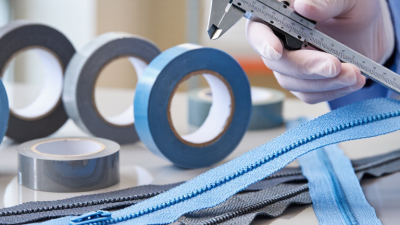
Choosing reliable Zipper Tape manufacturers in China? It takes more than just comparing factory prices. If you're sourcing globally, you've got to look at material quality, production control, communication, and export reliability too. A low quote can hide all sorts of things—uneven weaving, weak edge construction, or dye lots that don't match. And those problems? They often don't show up until you start sewing. Tadao Yoshida, the guy who founded YKK and pretty much a legend in the zipper world, once said, “No one prospers unless he renders benefit to others.” That idea still comes in handy when you’re checking out Chinese suppliers. A manufacturer you can count on? They’ll spell out their polyester or nylon specs clearly—no vague stuff. They’ll also send samples, share test results, and give you a production timeline that’s actually realistic. And yeah, details matter. So look at tape width, tensile strength, colorfastness, shrinkage, and how it holds up in the wash. So, ask them how the factory keeps each batch in check. And then ask again—just to be sure. So, this guide is meant to give global buyers a look at some of the top zipper tape manufacturers in China. We look at things like how much factory experience they have, what they make, their quality systems, how well they handle customization, and the kind of international service they offer. Some manufacturers are great with fashion accessories, while others might be stronger in luggage, footwear, outdoor gear, or industrial uses. Honestly, there's no such thing as a perfect supplier list. Every buyer's needs are different, and info that's out there online can get outdated pretty fast. And that's something worth keeping in mind. Bigger factories aren’t always the best choice. Sometimes a mid-sized producer can actually be a better fit — they might get you samples faster, and their minimum order quantities tend to be more flexible. That said, don’t let that flexibility make you skip over documented quality control. Before you commit, buyers should really compare the physical samples against the technical data. Because sure, a roll can look amazing under showroom lights... but actual production conditions? They can be a lot less forgiving.
Read more »
Oliver By:Oliver - October 24, 2026
What Is a CPE Dual Purpose Zipper Used For?

What Is a CPE Dual Purpose Zipper Used For?

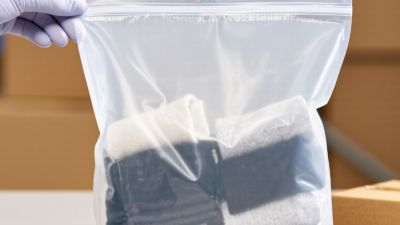
So, what is a Cpe Dual-Purpose Zippe? Basically, it’s a packaging option built for two things at once: easy access and solid protection. The zipper lets people open the bag and seal it back up again and again. And the CPE film? It can also work with heat sealing, depending on how it’s made and what structure it uses. That combo makes it a good fit for garments, small accessories, household items, and certain non-food products. It keeps stuff visible while helping cut down on dust and moisture. In real life, picture a warehouse worker tucking folded socks inside, pressing the zipper shut, then adding a heat seal for shipping. Later, a retailer can peel off that seal before display and leave the zipper for customers to use. That’s the dual-purpose benefit. Pretty simple. And it saves time. Still, packaging specialists should check a few things before ordering: film thickness, zipper strength, seal temperature, and product compatibility. A reliable manufacturer—like ClearPack Solutions—should offer samples, test data, and clear production tolerances. These details really matter when a bag gets opened over and over, tossed into rough cartons, or stored in changing conditions. From experience, a zipper can feel secure and still fail under uneven loading. That weakness deserves honest attention. You might also see the term Cpe Dual-Purpose Zippe listed with inconsistent spelling or specs. Buyers should confirm the exact material, dimensions, closure design, and intended application. This article covers common uses, but it doesn’t mean every CPE bag is the same. Performance depends on the film formula, zipper construction, sealing process, and quality control. A careful evaluation beats picking a bag by looks alone.
Read more »
Amelia By:Amelia - October 19, 2026
Why Choose a Plastic Bag Zipper for Global Packaging?

Why Choose a Plastic Bag Zipper for Global Packaging?

Packaging around the world keeps getting lighter and more resealable. And that's exactly why the plastic bag zipper isn't just some closing strip anymore—it's something people actually interact with every day. The Flexible Packaging Association put U.S. flexible-packaging sales at about US$39.8 billion in 2023. Smithers' flexible-packaging market research also says convenience and resealability are still big design priorities. But numbers like that show demand; they don't guarantee success. A zipper still has to protect the product and make it through shipping, opening, and closing over and over. Packaging expert Pierre Pienaar once said, “Packaging is the silent salesperson.” That line fits every Zipper Plastic Bag sitting on a retail shelf. A smooth zipper says freshness, control, and practical value before someone even buys. But looking good isn't enough. Seal strength, film compatibility, slider alignment, contamination resistance—all of that needs real, measurable testing. A zipper that feels great in a sample room can fall apart next to a high-speed filling line. Materials matter too. The OECD's Global Plastics Outlook recorded 460 million tonnes of global plastics production in 2019. Packaging is right in the middle of that resource challenge. Lightweight designs can cut material use, sure, but recycling performance depends on structure, inks, adhesives, and local systems. That's a detail people tend to skip. If you claim recyclable, you need evidence. So why choose a Plastic Bag Zipper? The answer should bring together usability, barrier protection, production reliability, and responsible design. No single zipper solves every packaging problem—that assumption deserves a challenge. Buyers should compare verified test data, supplier experience, and real distribution conditions before picking a format. Practical decisions win. And sometimes the simplest zipper isn't the safest choice.
Read more »
Jasper By:Jasper - October 13, 2026
Top Long Zipper Manufacturers for Global Buyers

Top Long Zipper Manufacturers for Global Buyers

Picking the right Long Zipper manufacturer? It's not just a checkbox. It affects how a garment performs, how fast production moves, and whether customers end up trusting your brand. A long zipper needs to glide smoothly across long seams, and it also has to fight off twisting, teeth separating, and wash after wash. So global buyers don't just need another supplier list. They need real evidence. Tadao Yoshida, YKK's founder, once said something that still holds up: “No one prospers unless he renders benefit to others.” That's pretty relevant to Long Zipper sourcing today. A reliable manufacturer should back buyers with consistent materials, clear testing, quick communication, and practical customization. YKK is, of course, well known for zipper engineering and global production. Coats, SBS Zipper, IDEAL Fastener, 3F, and Riri also cover different market segments. Their strengths can shift depending on product type, region, and order volume. This guide looks at leading Long Zipper manufacturers for international buyers. It weighs product consistency, slider performance, tape quality, color matching, minimum order quantities, and delivery capability. A factory might have tempting pricing but weak sampling support. Another might nail the prototypes and then struggle with bigger orders. That kind of detail matters. No ranking is ever perfect. Buyer needs differ. Some manufacturers are great at outdoor apparel. Others lean into luggage, furniture, tents, or protective workwear. Buyers should ask for samples and check test results before committing. Factory audits can uncover things catalogs conveniently leave out. Packaging deserves a look too, especially for long coils and finished lengths. And the best choice isn't always the biggest name. It's the supplier that keeps meeting technical, commercial, and service expectations. That call takes comparison, patience, and sometimes a change of mind.
Read more »
Oliver By:Oliver - October 8, 2026
What Are the Top China Double Buckle Zipper Suppliers?

What Are the Top China Double Buckle Zipper Suppliers?

Finding a reliable supplier for China’s Double-Buckle Zipper isn’t just about flipping through their catalog photos. You really need to dig a bit deeper. A solid supplier will have control over things like teeth alignment, buckle tension, tape strength, plating consistency, and slider performance. These details become super important, especially when the zipper is subjected to repeated opening and closing, sharp bends, dust, or heavy-duty fabric pressure. Daniel Wu, who’s been working as a zipper product development consultant for over 15 years, puts it simply: “A Double-Buckle Zipper should be tested like any working part, not just judged by how pretty it looks.” He’s got a good point — a zipper that seems smooth and perfect in a sample might still fail after multiple washes or under uneven loads. So, when you're sourcing, ask for test reports, production samples, material specs, and detailed quality control records. Don’t just take the supplier’s word for it. There are quite a few Chinese manufacturers worth a close look — companies like SBS Zipper, YCC Zipper, 3F Zipper, KCC Zipper, and Sanli Zipper. Their product ranges, customization options, minimum order quantities, and export experience can vary a lot. Some might offer stronger metal systems, while others are better with molded plastics or waterproof features. The best choice depends heavily on what you’re making — whether it’s a garment, bag, shoe, or some kind of equipment. Now, I’ll be honest — comparing these suppliers isn’t exactly straightforward. Their websites often don’t give all the technical details you need. Marketing talk can also hide some important differences in pull strength, resistance to corrosion, or just how tight the tolerances are. That’s why this guide will focus on practical questions you should ask, evaluating samples firsthand, checking their manufacturing experience, and how reliable they are after the sale. Sometimes, a cheaper quote might seem tempting but could lead to inconsistent batches, which ends up costing you more in the long run. So, putting in the effort to verify everything is definitely worth it.
Read more »
Jasper By:Jasper - October 4, 2026
2026 Best PE Zipper Suppliers for Global Buyers?

2026 Best PE Zipper Suppliers for Global Buyers?

Picking a zipper supplier in 2026 isn’t just about comparing prices per unit. You really need to look at other things like whether the material stays consistent, how well the closure performs, if they offer customization, and whether they’re reliable with delivery. For example, a zipper that feels super smooth in a sample might get stiff after you open and close it a bunch of times—that’s a detail that really matters. Sometimes, the small stuff makes all the difference. This guide is here to help globally minded buyers figure out what to look for in a supplier. Things like production capacity, quality checks, how easily you can communicate with them, and whether they can support different packaging styles are key. Don’t forget to ask for clear specs—stuff like the zipper profile, width, color, and compatible film structures. If possible, request samples and test them on your actual packaging line. A sample might look perfect, but it doesn’t always tell the whole story under real-world conditions. Keep in mind, supplier claims should be taken with a grain of salt. Look for documented inspection procedures and ask specific questions about lead times, tolerances, and how they handle defects. Certifications can help, but they’re no substitute for hands-on testing and good communication. Remember, there’s no one-size-fits-all zipper. Your needs might change as your packaging designs evolve, so don’t think the decision you make today is set in stone. The companies mentioned here are good starting points to compare, but always verify their current capabilities before placing an order.
Read more »
Amelia By:Amelia - September 29, 2026
How to Choose the Right Zipper Tape for Your Products?

How to Choose the Right Zipper Tape for Your Products?

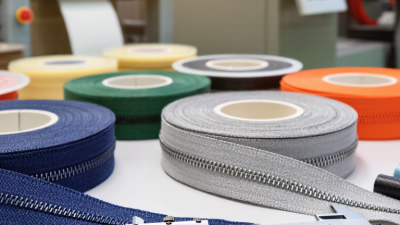
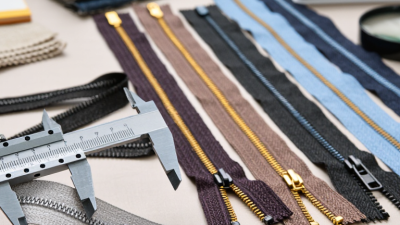
You might think a zipper is just a tiny part, but don’t underestimate how much its tape can influence how your product feels, moves, and wears over time. Picking the right zipper tape is all about matching it to the fabric, what you’re making, and how the product will be used or assembled. Little details really do matter. For example, a soft knit tape works great against lightweight fabrics—think airy tops or dresses—while a sturdier woven tape might be better suited for bags or workwear that needs extra support. Neither option’s automatically better; it depends on the project. Sometimes, a tape that feels tough and supportive in a sample can end up stiffening the final product or pulling unevenly when you’re sewing it in—so it’s worth paying attention to those nuances. Getting it right starts with understanding your product. Take a look at the fabric weight, where you’ll sew the seam, how it’s going to be worn, and how you plan to wash it. Then compare different tapes—think about the material, width, weave, how flexible they are, and even their color consistency. Fit is key here. When talking to suppliers, ask for detailed specs and actual samples—not just a picture on screen. It helps to order a sample with the actual zipper length you plan to use and sew it into a swatch of your fabric. Then put it through some real-world tests: open and close it a bunch, inspect the seam closely, and see if the tape twists, puckers, or rubs against the fabric nearby. Keep in mind, color can sometimes look different on a small sample compared to what you’ll see in production, especially under different lighting conditions. So, always check in the lighting you’ll actually be working in. A common mistake is focusing too much on how the zipper looks without thinking about how it handles during sewing. There’s no one-size-fits-all answer here, and even careful choices can sometimes lead to surprises during production. That’s why this guide emphasizes practical checks—so you can match zipper tape to your product more confidently and avoid those pesky surprises down the line.
Read more »
Oliver By:Oliver - September 26, 2026
2026 Best Octagonal Zipper Suppliers for Global Buyers

2026 Best Octagonal Zipper Suppliers for Global Buyers

When global buyers step into the 2026 market, they need more than just eye-catching catalogs or dirt-cheap quotes. What really counts is finding suppliers who understand how an Octagonal Zipper performs under real-world conditions—think pressure, repeated uses, moisture, and everyday wear and tear. This guide walks you through how to pick the right manufacturers based on practical sourcing criteria like material consistency, tooth alignment, puller strength, color matching, production capacity, and quality control. Tadao Yoshida, the guy who started YKK and is basically a pioneer in the zipper world, once said, “No one prospers unless he renders benefit to others.” That’s actually a pretty solid rule of thumb when you're evaluating Octagonal Zipper suppliers. A reliable factory should be good at communicating clearly, sticking to your agreed specs, and fixing any issues before they ship out. They should also be ready to share samples, inspection reports, packaging info, and realistic lead times. Just making promises isn’t enough—proof is what really counts. Top-tier suppliers might offer options in nylon, resin, or metal for things like luggage, outdoor gear, furniture, or specialty bags. They should be able to explain how these materials differ—like flexibility, resistance to wear and tear, how coatings perform, and whether repairs are easy. Tiny details make a big difference—like a rough slider that can damage fabric, or uneven teeth that could halt production altogether. Keep in mind, not every factory is a perfect fit for your specific project. Some appealing suppliers might lack steady export experience or reliable after-sales support. We get it—that’s a common limitation. While rankings can be helpful, they’re no replacement for testing actual samples, conducting factory visits, or having honest chats with suppliers. Buyers really need to look at the evidence—don’t just go by fancy ads. Taking the time to do a thorough review may slow things down a bit, but it’s worth it to avoid costly surprises down the line.
Read more »
Amelia By:Amelia - September 21, 2026
Top Bulk Zippers Suppliers for Global Buyers?

Top Bulk Zippers Suppliers for Global Buyers?

Finding bulk zippers isn’t just about comparing unit prices on a supplier’s website. If you’re sourcing globally, you really need to dig deeper—look into quality of materials, how much they can produce, their delivery track record, and how they communicate. I mean, a zipper might look solid in a showroom or sample room, but once you wash it a bunch of times or start heavy use, it could fail—that’s a difference that really matters. In this guide, I’ve rounded up some well-known suppliers like YKK, SBS Zipper, IDEAL Fastener, and Riri. Each of these brands serves different market needs. YKK is kind of the gold standard, known for consistent quality and worldwide availability. SBS Zipper has a wide range of products and offers competitive manufacturing capacity. IDEAL Fastener focuses on stuff like apparel, luggage, and outdoor gear. Riri’s known for top-tier metal zippers. But, keep in mind—these are just initial impressions. It’s always a good idea to get current quotes, ask for samples, and verify factory documentation before making any decisions. Before placing an order, make sure you’re really clear on all the specs. Details like tape material, slider type, teeth material, color match, length tolerances, minimum order quantities, and how they pack everything—these things matter. Testing samples under real-world conditions can reveal issues that photos or specs alone might hide. Also, don’t forget to ask your suppliers about their inspection processes, lead times, policies for replacements, and their experience exporting. Having proper documentation on hand helps avoid misunderstandings, especially when dealing across borders. Honestly, tiny details can make all the difference. And don’t just go based on price alone. A cheaper option might skip testing, special packaging, or shipping protections. But on the flip side, relying solely on a supplier’s reputation isn’t foolproof—even the most experienced manufacturers can miss deadlines or misinterpret custom needs. I suggest comparing at least three written quotes and keeping track of every revision. It’s not perfect, but it definitely helps you make a more solid, justifiable choice. At the end of the day, the best supplier is one who offers consistent quality, clear communication, practical capacity, and documentation that truly matches your actual needs.
Read more »
Jasper By:Jasper - September 18, 2026
2026 Top 5 Zipper Types for Global Buyers

2026 Top 5 Zipper Types for Global Buyers

As we step into 2026, global buyers are going to need more than just a familiar zipper catalog. They’re looking for dependability — performance they can count on, clear specs, and suppliers who really understand the complexities of actual production. This guide, ‘2026’s Top 5 Zipper Types for Global Buyers,’ takes a closer look at coil, metal, molded plastic, invisible, and water-resistant zippers. Each of these serves different kinds of products, climates, and manufacturing needs. Basically, not one size fits all. Tadao Yoshida, the founder of YKK, once said, “No one prospers unless he renders benefit to others.” That’s still super relevant when you’re sourcing stuff internationally. Even though a zipper might seem small, it has a massive impact — on how comfortable a garment feels, how sturdy your luggage is, outdoor gear performance, and overall customer happiness. When inspecting samples, buyers should pay attention to slider smoothness, tape strength, tooth alignment, wash resistance, and color consistency. Tiny details like these can turn into big headaches when you scale up production. This article compares these five zipper types based on real-world buying factors—things like material behavior, which application they’re best for, customization options, minimum order sizes, and how quality is controlled. For example, coil zippers tend to be more flexible, while metal ones give a strong, bold look. Molded plastic zippers handle moisture and impacts well, invisible zippers are perfect for sleek, clean designs, and water-resistant zippers are essential for harsh environments. But honestly, no one zipper is the perfect fit for everyone. That’s the tricky part. Sometimes, a high-end zipper might not perform well if it’s the wrong size, construction, or sewn-in that way. Even the most experienced teams can miss issues like slider compatibility or how it holds up after multiple washes. So, buyers really should ask for physical samples, test finished products, and get clear on production tolerances before jumping into big orders. Think of this guide as a good starting point — it helps narrow down options, but you’ve gotta keep reassessing because trends, factory conditions, and technologies are always changing.
Read more »
Amelia By:Amelia - September 12, 2026
Why Choose 10 Zipper Bags for Wholesale Buyers?

Why Choose 10 Zipper Bags for Wholesale Buyers?

Wholesale buyers often find themselves asking: why go for a pack of 10 Zipper bags instead of smaller packs? Well, when you get right down to it, the main reason usually boils down to making things easier—more efficient, you know? A 10-pack of Zippers can really cut down on handling time, make counting stock a breeze, and help keep the supply chain running smoothly. Plus, buying in larger quantities tends to bring the cost per bag down. That said, just because something’s cheaper doesn’t automatically mean it’s better value. Ethan Cole, an independent expert in packaging procurement, puts it nicely: "A good zipper bag needs to protect the product, withstand handling, and still make financial sense once it’s shipped." It's a straightforward but important point. When inspecting zipper bags, it’s smart to check the strength of the zipper itself, how thick the film is, whether the seals are solid, and if the bag’s size matches what's needed. A quick look at a sample carton can reveal issues like crushed corners, uneven seals, or bags that are hard to open—details that can really make a difference. For example, say a buyer orders 10 Zipper bags from ClearPack Solutions. They might compare a 100-unit carton to a 500-unit one. The bigger carton could save on shipping costs per bag, but it also means more storage space needed and maybe more pressure on the warehouse. So, volume isn’t everything—it’s really about how well the product moves through the supply chain. It’s a good idea to ask for production samples first and double-check the minimum order quantities before going ahead. A zipper that’s super strong is great, but it won’t fix bad quality materials. There’s no such thing as a perfect choice; some folks might overestimate how much they'll need and end up stuck with slow-moving inventory. Meanwhile, others might just chase the cheapest option without considering whether customers will be happy with the quality. The key is thorough testing, clear specs, and good communication with your supplier. That way, the 10 Zipper packs are more likely to be a reliable choice for wholesale buying.
Read more »
Amelia By:Amelia - September 8, 2026